Gölbaşı - Taşpınar Villa
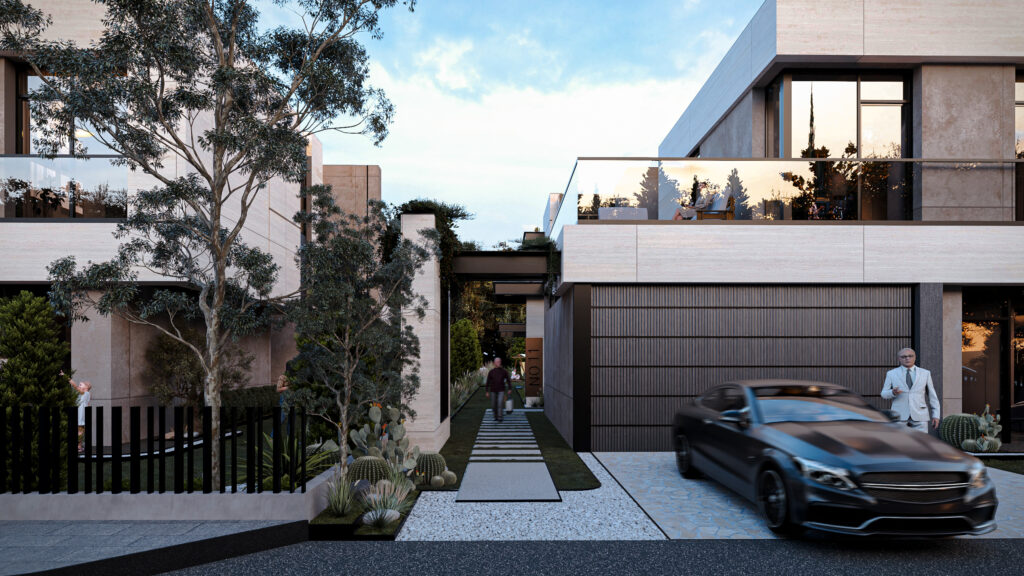
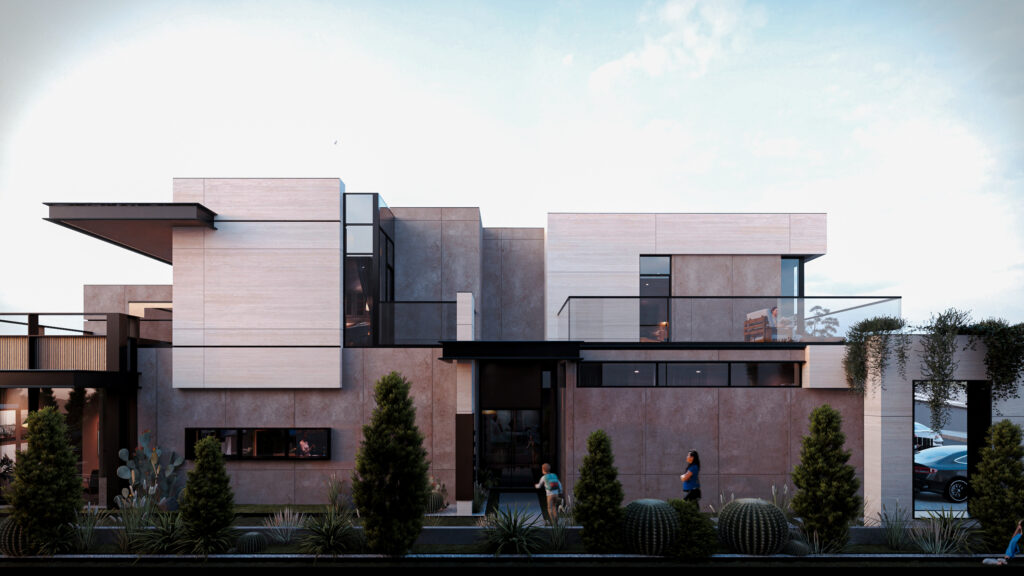
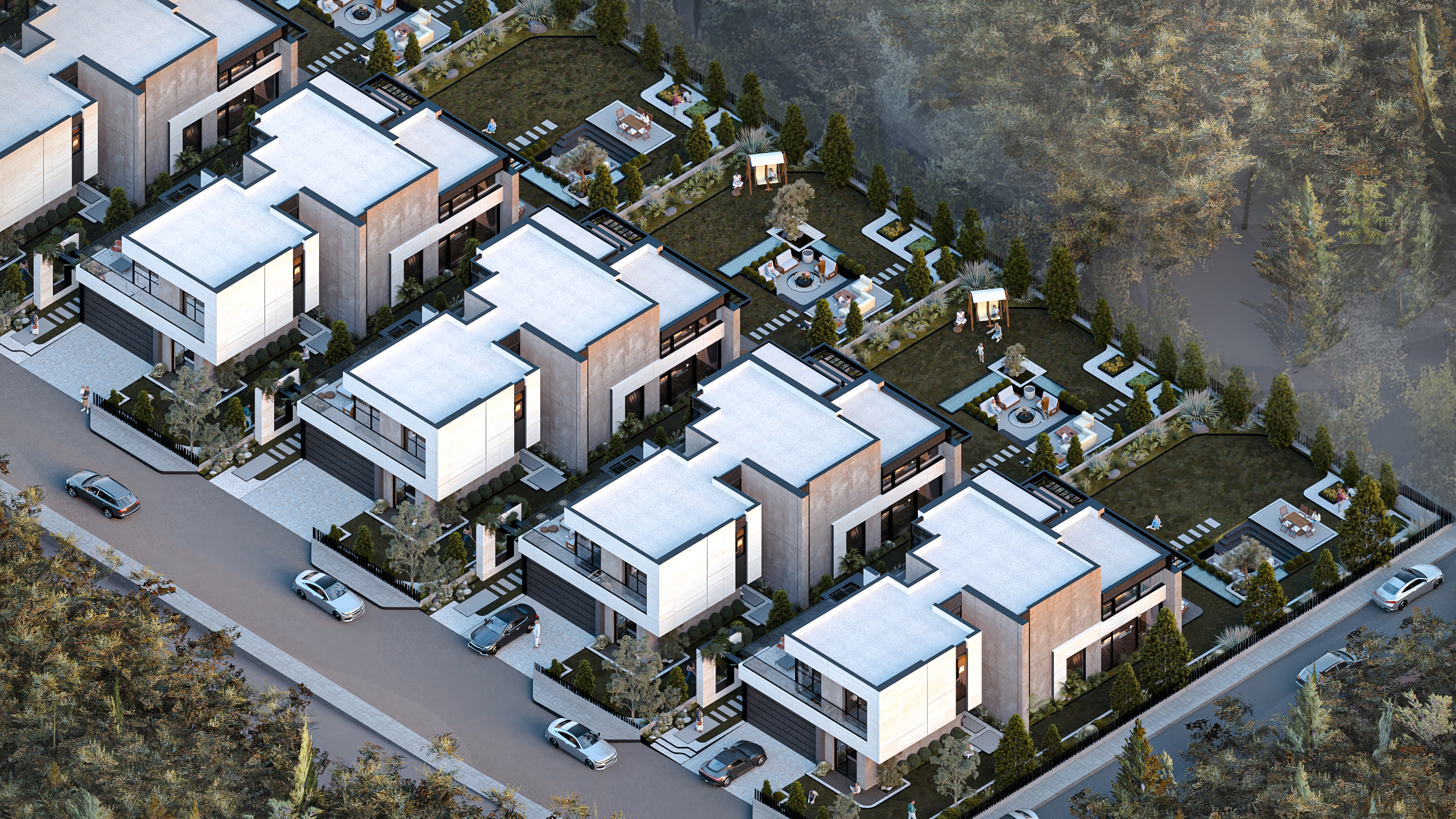
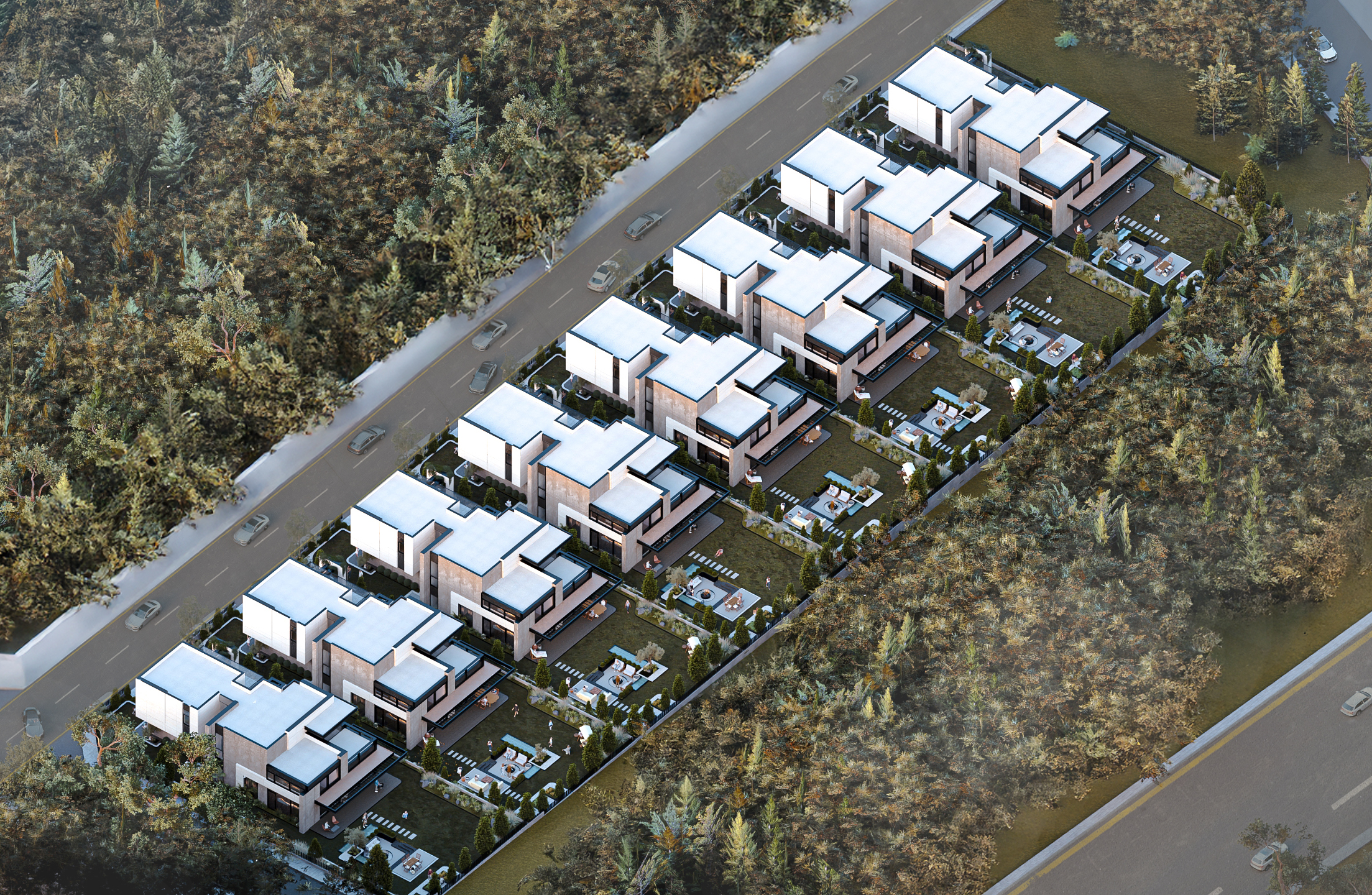
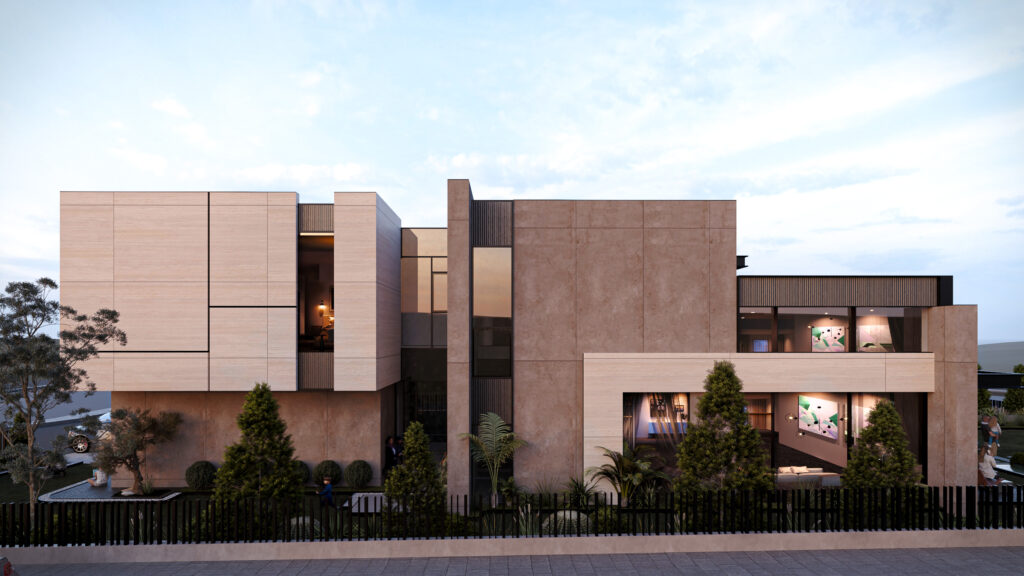
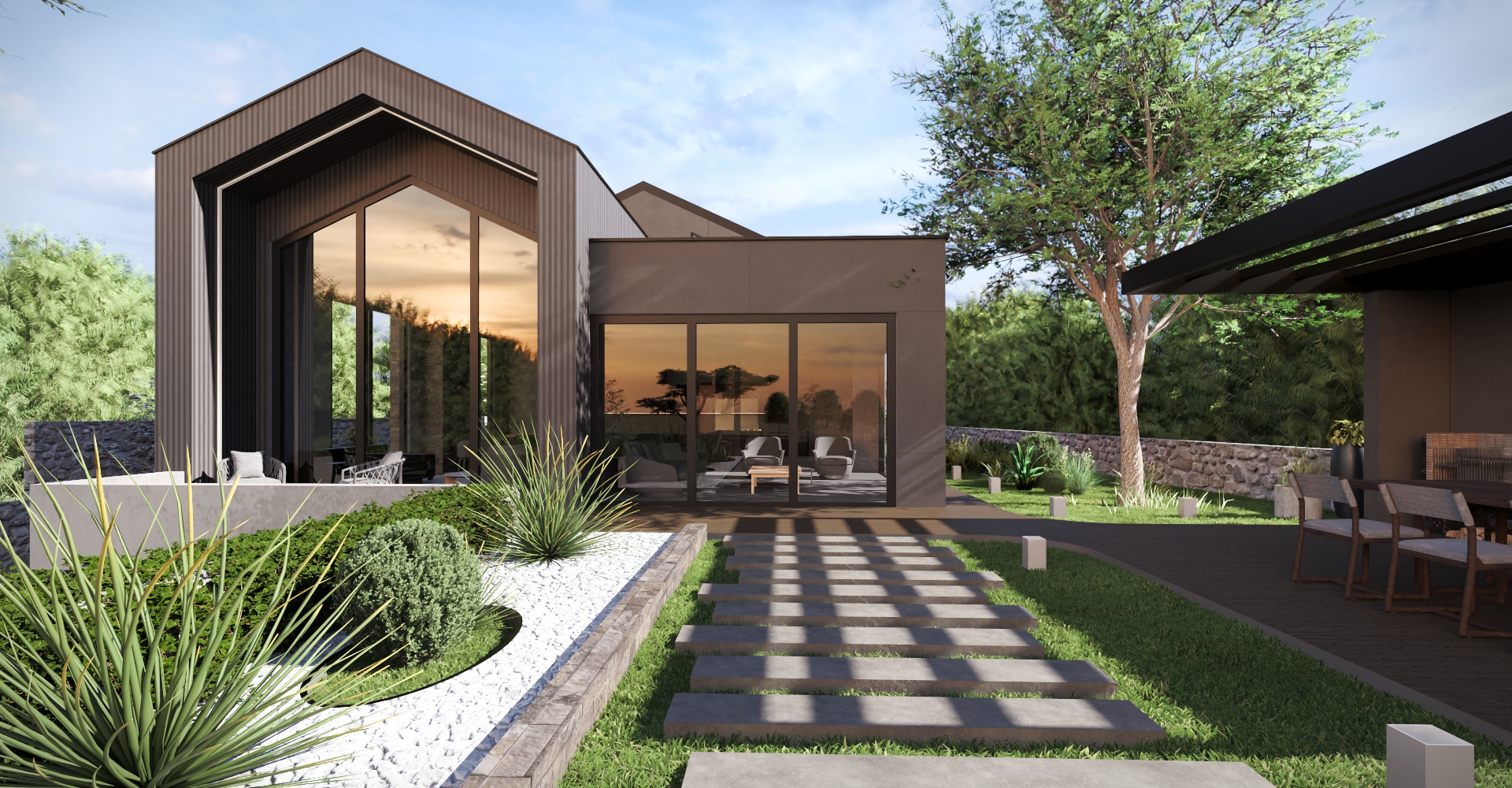
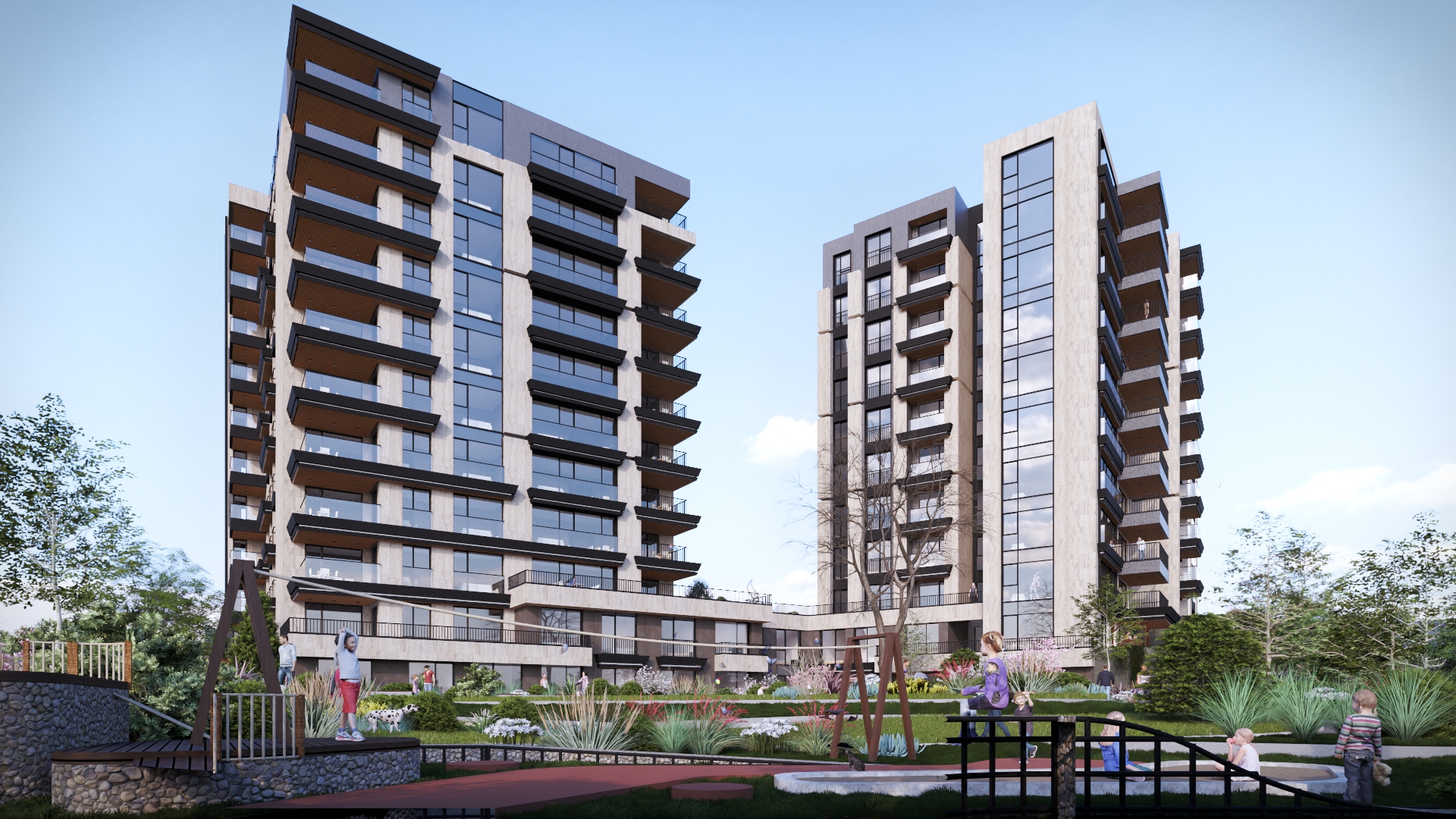
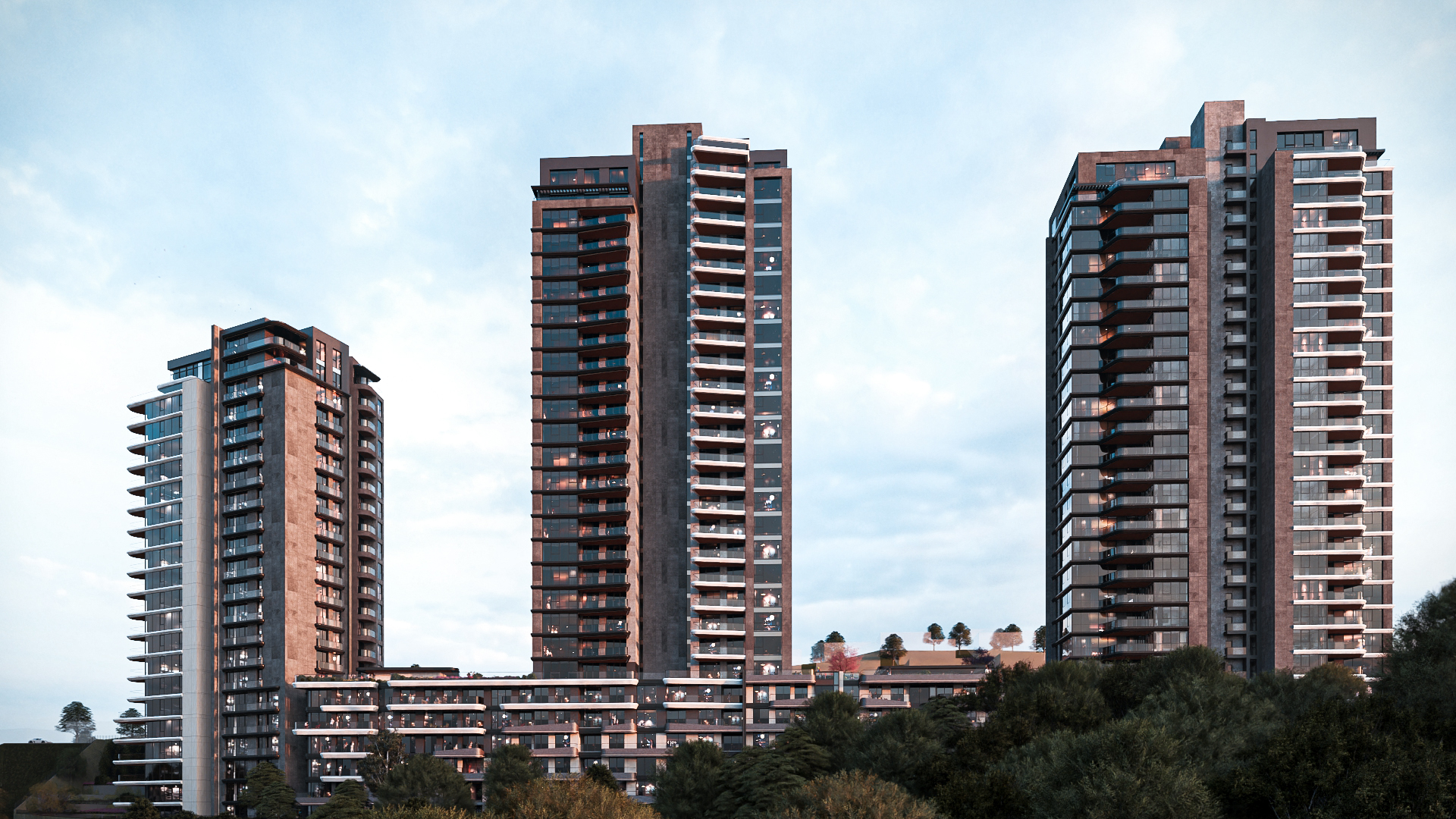
Located in the Taşpınar neighborhood of Gölbaşı, Ankara, this project consists of eight types of villas and interprets contemporary architectural concepts through a settlement design focused on privacy, spatial relationships, and landscaping. The design approach, which aims to offer users a fluid and functional interior experience, is based on a holistic spatial organization that integrates with the landscape.
Project Info
TYPOLOGY
Residential
STATUS
Authority Approval Project
YEAR
2025
CLIENT
Ali Ayna
AREA
2594,72 m²
LOCATION
Gölbaşı, Ankara
Project Info
TYPOLOGY
Residential
STATUS
Authority Approval Project
YEAR
2025
CLIENT
Ali Ayna
AREA
2594,72 m²
LOCATION
Gölbaşı, Ankara
Gölbaşı - Taşpınar Villa
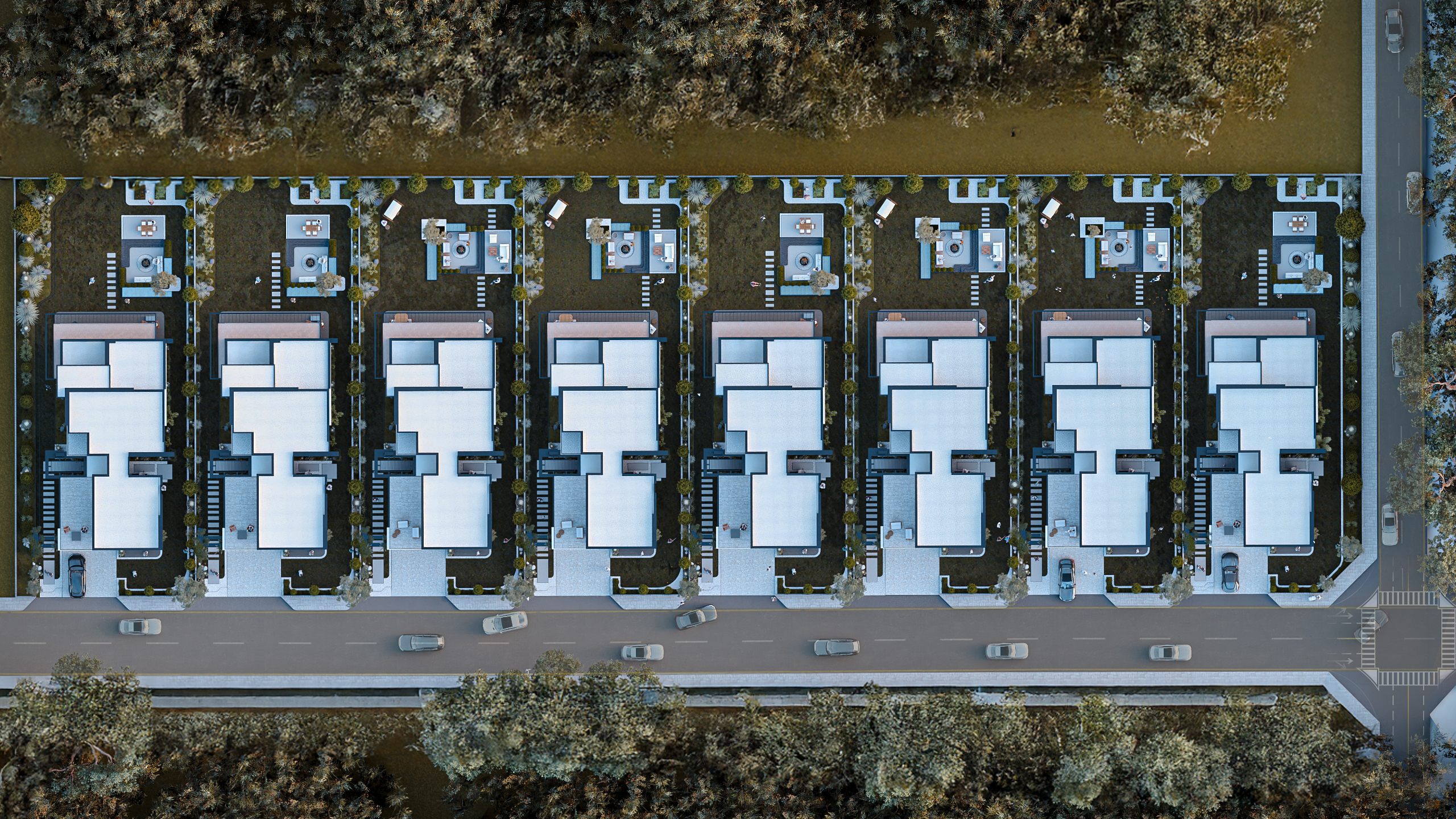
Located in the Taşpınar neighborhood of Gölbaşı, Ankara, this eight-villa project interprets contemporary architectural concepts through a balanced unity established by spatial relationships, privacy, and landscaping. The project aims to create a harmonious settlement design consisting of villas that are interconnected within a unified design, while each living unit has its own unique spaces.
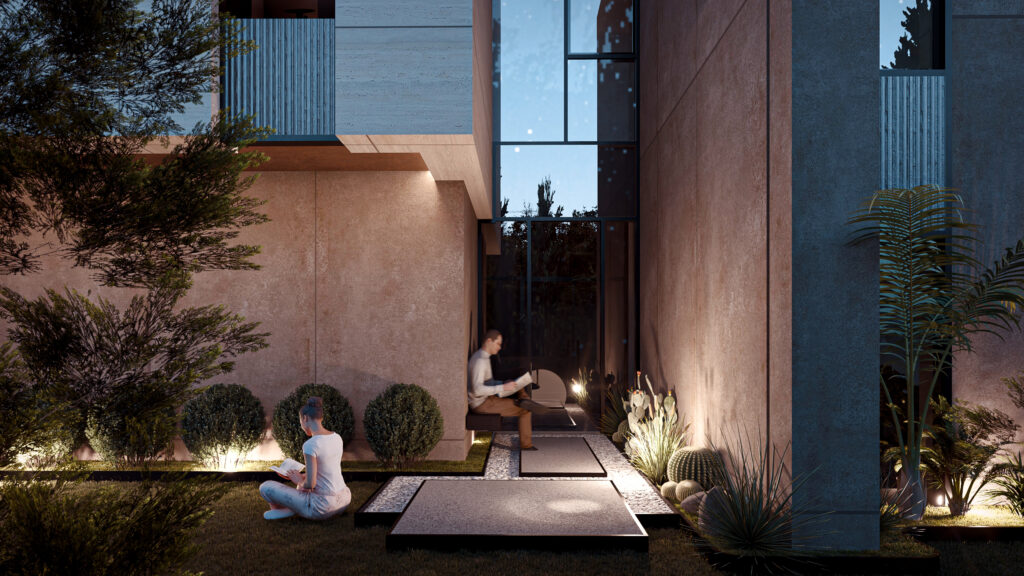
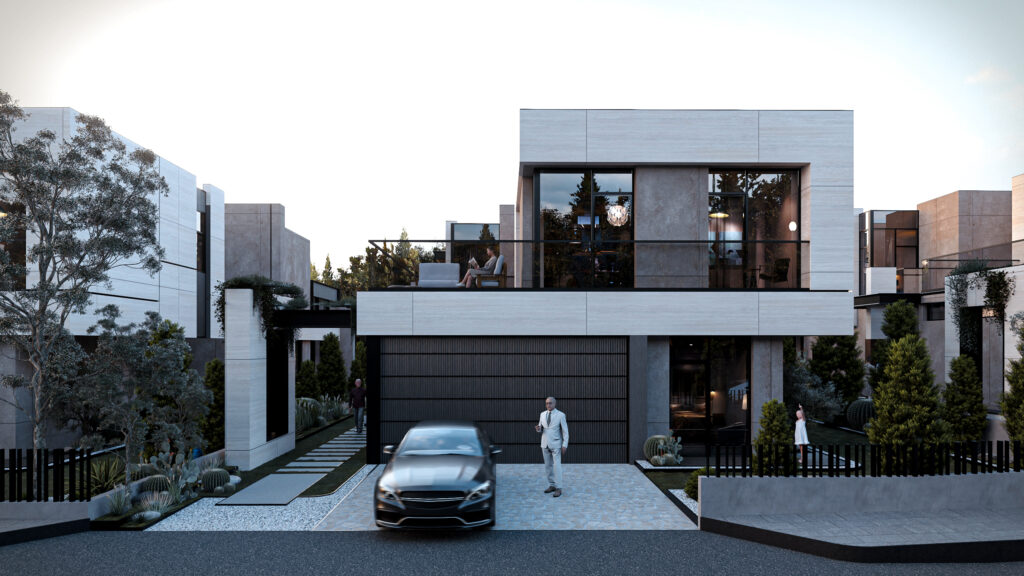
The layout, consisting of eight standard villas, is planned based on the relationships between the masses and the concept of privacy. With privacy being one of the design criteria, the villa masses and terrace areas are positioned to minimize visual contact between users, thus ensuring comfortable and controlled use of open spaces.
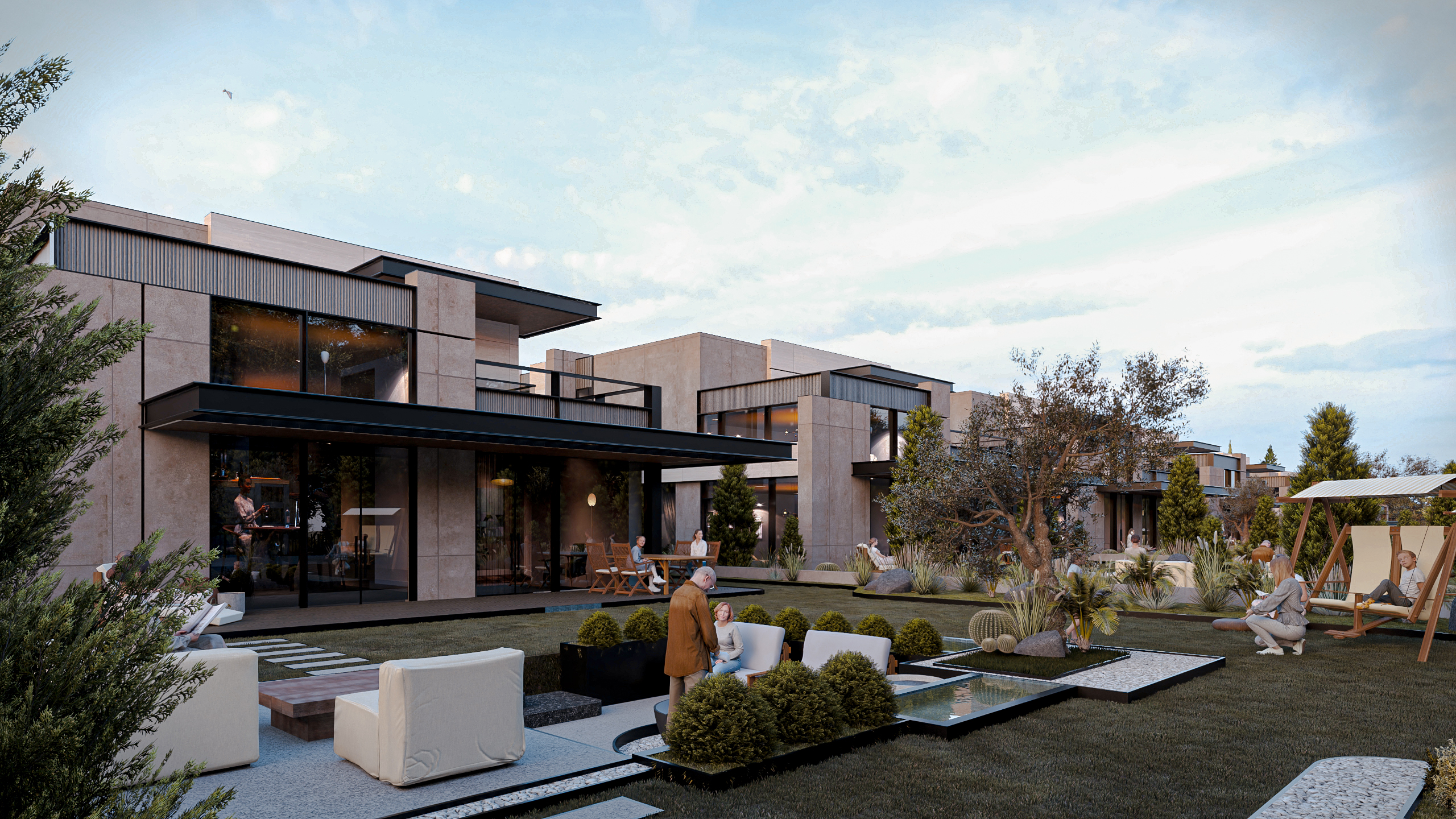
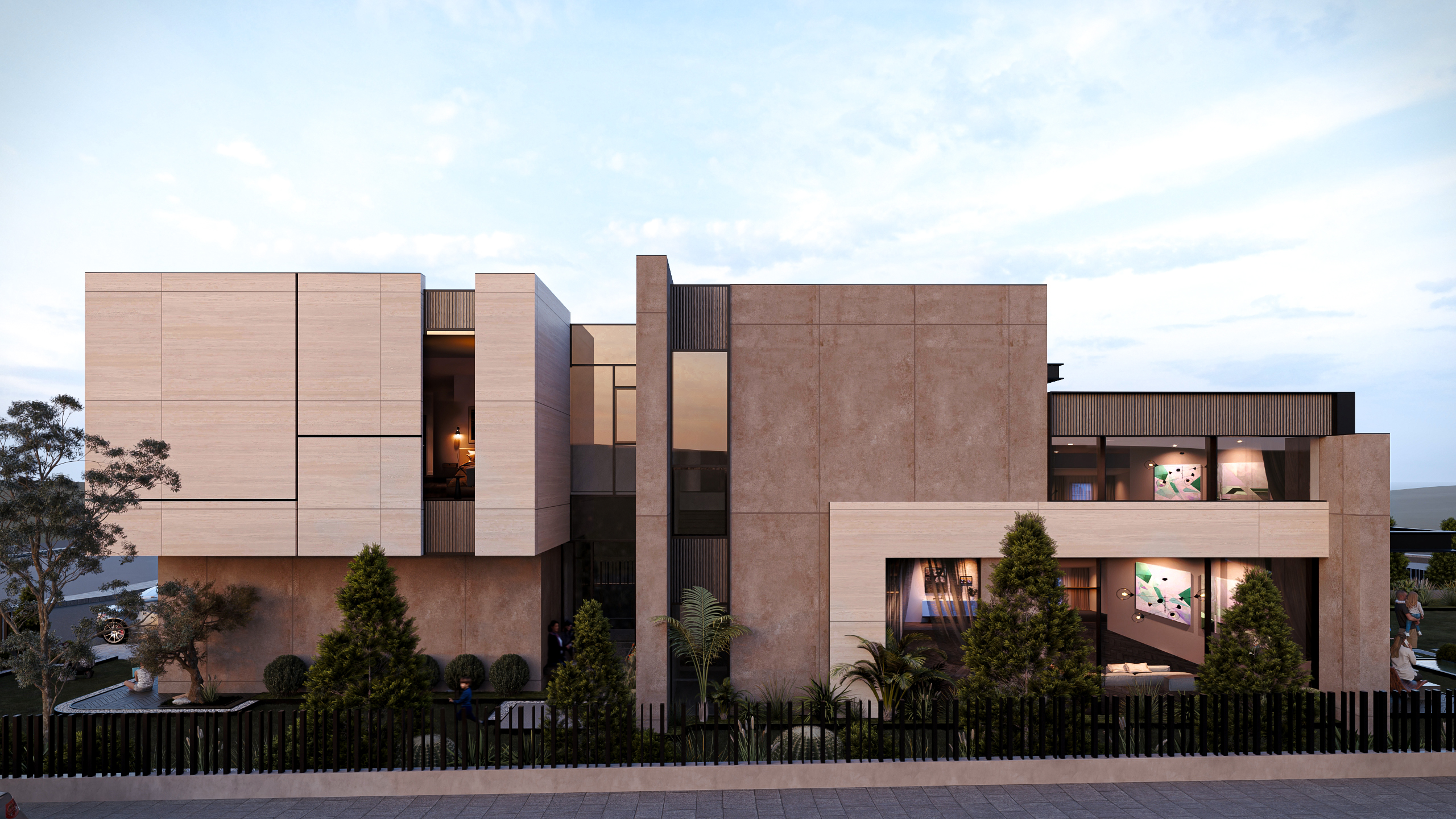
The project addresses not only the placement of the structures but also the layout organization to support the user experience. The spaces are designed to be spacious and airy, with user comfort in mind. Each space is connected to the others, taking into account functional relationships; the layout, which branches out from the main hall, offers the user a fluid spatial experience within the home. In all living areas of the villas, large window openings have been preferred to maximize the use of natural light and views. While ensuring that daylight penetrates deep into the spaces, the boundaries between interior and exterior spaces have been deliberately made permeable.
In the land use decisions, the maximum garden area was targeted; the mass movements in the building footprints enabled the design of the relationship between the open space layout and the interior space, and the visual relationship between the users and the landscape was brought to the fore. The landscape design was approached as a holistic element complementing the architectural approach of the project; the aim was to create a tranquil living atmosphere within urban life. A simple and contemporary architectural language has been adopted through the balanced distribution of ceramic cladding and paint materials used in the facade design; the movements created on the facade have been conceived as a reflection of the dynamism created by the mass differences of volumes with different functions in the interior.